Conflict as a Pathway to Growth
"Difficulties are meant to rouse, not discourage. The human spirit is to grow strong by conflict." - William Ellery Channing
Through leadership and student organization participation, I had learned an instinctive
but powerful lesson: conflict is not the warning sign of failure that it so often appears to be, on
the contrary, it is a direction marker to increased insight and creativity. Healthy conflict, pursued
with curiosity and organization, will unlock insight that consensus seeks to conceal. I had
previously linked harmony with triumph and dissension with defeat. Later, I discovered that
sidestepping conflict leveled the landscape of ideas and, paradoxically, suppressed the resilience
and creativity of the company. Learning was incremental and sometimes painful.
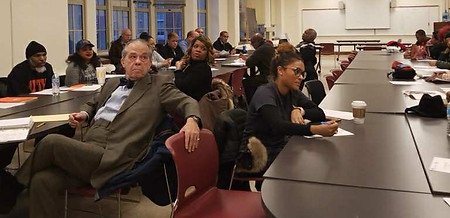
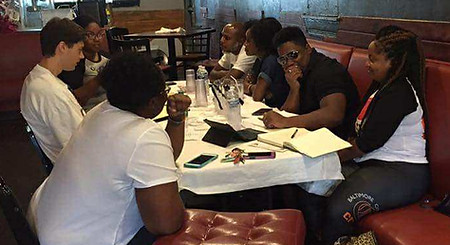
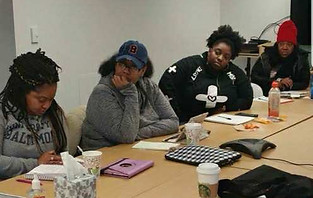
I remember one campaign where our executive board avoided a much-needed discussion
of the organization's strategic priorities.
To have a smooth working relationship, we decided to opt for the middle ground, which was comfortable. This turned out to be a series of lukewarm events that pleased no one: turnout decreased, enthusiasm dissolved, and members stopped putting forward creative ideas. Later, a smaller subset recommended an open meeting to feel out underlying tensions. The session was tense at first; people interrupted one
another, emotions boiled over, and old hurts reopened. But we had rules of engagement:
Speaking from our own experience, asking for a question to clarify, and stating disagreements as
hypotheses to test. That structure channeled energy. It was not repressed conflict but questioned
conflict; from those tensions, we crafted a new program calendar with a balance of
experimentation and sustainability. The following programs were more innovative and more
attended.
That experience helped me learn two practical lessons about conflict navigation. One is
technical: conflict requires containers, clear norms, timeboxed feedback loops, and rules of
decision that separate exploration from decision. The other is cultural: leaders must embody
curiosity and vulnerability in disagreement. Now, when I run meetings, I consciously tag
assumptions and say, "What are we afraid will happen if we go this route?" That one question
reorients defensiveness as inquiry. I also encourage opposing opinions to present their measures
of success by requesting them to propose measures to provide dissent with a constructive outlet.
In such teams where these are the norms, conflict is a tool for solving problems and not an
interpersonal minefield. Accepting conflict as growth has revolutionized my way of approaching
professional stakes and team dynamics. It made me welcome different perspectives as sparks
and not contentious ones.
HIST 350 – Introduction to the African Diaspora deepened this understanding. The course showed how progress in diasporic movements often emerged from principled disagreement rather than harmony. Leaders like W.E.B. Du Bois and Marcus Garvey, and debates during the Harlem Renaissance, demonstrate how structured tension fuels creativity, resilience, and collective purpose.
Conflict, when approached ethically and deliberately, is transformative. It reveals assumptions, amplifies diverse voices, and strengthens teams and communities alike. Both history and my leadership journey have shown me that tension, when navigated with care, is an opportunity for innovation, growth, and deeper understanding.